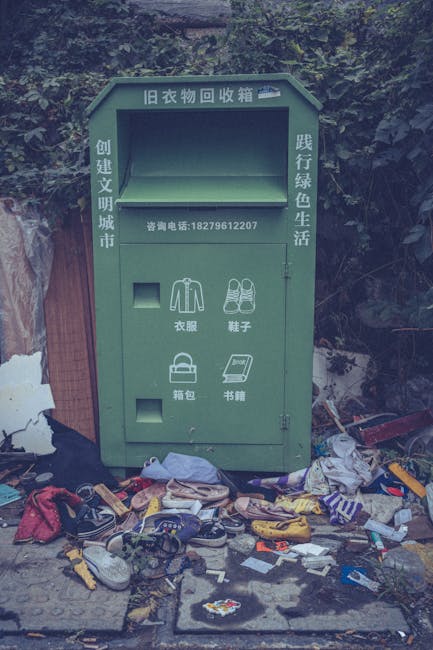
UB7 Estate Bulk Rubbish Pickup Rules and Contacts
If you live, manage, or rent in UB7, bulk rubbish can turn into a surprisingly fiddly problem. One sofa, a broken wardrobe, a pile of builder's offcuts, and suddenly the hallway looks like a storage unit no one asked for. The good news is that understanding UB7 estate bulk rubbish pickup rules and contacts makes the whole process calmer, quicker, and far less likely to go wrong.
In this guide, we'll break down what bulk rubbish pickup usually means on an estate, how pickups tend to work in practice, who should be contacted first, what to check before you book anything, and where a professional clearance service can fit in. You'll also find a checklist, a comparison table, and a practical example so you can make the right decision without the usual back-and-forth.
Why UB7 estate bulk rubbish pickup rules and contacts Matters
Bulk rubbish on an estate is not quite the same as putting out a normal household bin. Estates often have shared access routes, tighter parking, bin stores, concierge rules, and neighbours who will notice if a mattress is left where it shouldn't be. That means the rules matter just as much as the removal itself.
In UB7, the practical question is usually not "Can this go?" but "How does it need to be arranged, and who do I tell?" A missed contact, a rushed booking, or the wrong placement can lead to delays, complaints, or a collection being refused. To be fair, that is the sort of headache nobody needs on a busy Monday morning.
It also matters because bulk rubbish can include items that require special handling: fridges, mattresses, wood, metal, electrical items, builders' waste, or mixed junk from a flat move. Getting the process wrong can create safety issues, block fire exits, or lead to fly-tipping if items are dumped informally. Nobody wants that on their conscience.
Expert summary: The safest approach is to confirm estate rules first, separate your waste sensibly, and use a contact route that matches the size and type of rubbish. If the pile is bulky, mixed, or time-sensitive, a professional clearance option is often simpler than trying to piece it together yourself.
How UB7 estate bulk rubbish pickup rules and contacts Works
Most estate bulk rubbish arrangements follow a similar pattern, even if the details vary from one development to another. The key thing is that estates are shared spaces, so removal is usually controlled more tightly than a standard kerbside collection.
Typically, the process starts with identifying what type of rubbish you have. Then you check whether the estate has a managing agent, concierge, caretaker, housing office, or designated waste contact. Some estates want items booked in advance and placed in a specific area. Others may require an exact pickup window, labelled items, or proof that the waste came from a resident rather than a contractor.
In practical terms, you may be dealing with one of three routes:
- Estate-managed pickup for communal or resident-generated bulk items.
- Council-style collection rules where the estate follows local placement and presentation guidance.
- Private clearance when the rubbish is too much for a simple pickup or needs same-day removal.
Bulk waste usually needs to be kept tidy, safe, and accessible. The cleaner the presentation, the smoother the pickup tends to go. A neat stack beside a booked collection point is very different from a random pile blocking a shared path. Small difference, big result.
If the rubbish includes furniture, broken appliances, or mixed household items, you may also want to look at a broader home clearance service or a more targeted furniture disposal option. Those can be a better fit when the waste is more than a simple bag-and-box job.
Key Benefits and Practical Advantages
Getting the rules and contacts right does more than keep people happy. It saves time, prevents avoidable costs, and reduces the chances of waste sitting around longer than it should. And in a shared estate, that visual clutter is often half the battle.
- Faster clearance: Correct booking means fewer delays and fewer missed collections.
- Less friction with neighbours: Good communication prevents awkward complaints and shared-space disputes.
- Better safety: Items are less likely to block entrances, lifts, bin stores, or car parks.
- Cleaner compliance: You are more likely to follow estate requirements and waste duty expectations.
- Better value: Sorting items properly before pickup often reduces the amount of handling needed.
There is also a psychological benefit, which sounds a bit soft until you are standing in front of a room full of flat-pack debris. Once the rubbish is planned properly, the job becomes manageable. Clear next step, clear contact, clear outcome. Simple enough, really.
For larger or mixed loads, a professional team can help with awkward items and recycling separation. If your pile includes garden cuttings, damaged outdoor furniture, or soil-filled bags, a dedicated garden clearance service may be more suitable than trying to force everything into one collection category.
Who This Is For and When It Makes Sense
This topic matters to a surprisingly wide mix of people. You might be a tenant clearing out a flat after a move, a leaseholder with a storeroom full of old furniture, a property manager handling end-of-tenancy debris, or a homeowner in UB7 dealing with a one-off bulky item that never quite fitted in the first place.
It also makes sense for:
- residents on managed estates with shared bin facilities
- landlords clearing abandoned items between tenancies
- lettings agents arranging a quick turnaround
- small businesses operating from mixed-use properties
- people with limited access, no vehicle, or no lift suitable for heavy items
Sometimes the need is obvious: a sofa won't fit in the lift, or a stack of old office furniture is crowding a corridor. Other times it creeps up slowly, like garage clutter or a loft that has become a museum of broken chairs and mysterious cables. Truth be told, that happens to more people than they admit.
If the waste is from a business premises or a home office clear-out, it may make more sense to use a specialist business waste removal or office clearance option instead of a standard resident pickup.
Step-by-Step Guidance
Here is a practical way to handle bulk rubbish on a UB7 estate without overcomplicating it.
- Identify the waste type. Separate furniture, general household waste, electrical items, garden waste, and building materials if possible.
- Check estate rules. Look for instructions on booking, collection points, timing, access, and item limits.
- Find the right contact. This may be the managing agent, concierge, landlord, housing office, or estate office. If you already know the route, use it early rather than late.
- Confirm what is allowed. Some estates do not accept certain materials, and some require items to be bagged, boxed, or dismantled.
- Prepare the load properly. Break down furniture where safe, keep walkways clear, and avoid mixing liquids or sharp objects into the pile.
- Book the pickup or clearance. Choose the method that fits the quantity, access, and urgency.
- Place items correctly. Follow the agreed location precisely. A side entrance, bin bay, or loading area may be specified.
- Keep evidence if needed. Take a quick photo before and after, especially for landlord or tenant records.
A small detail people often miss: if an item is heavy, awkward, or potentially hazardous, do not wait until collection day to discover you need two people and a trolley. That is how plans unravel at 8:15 on a wet morning.
For larger household jobs, combining estate collection with a broader house clearance or loft clearance can be more efficient, especially when several spaces are being emptied at once.
Expert Tips for Better Results
If you want the process to go smoothly, a little preparation goes a long way. In our experience, the tidy jobs are always the ones that finish fastest. Not glamorous, but true.
- Keep access clear. Even a perfectly booked pickup can stall if the route is blocked by bikes, prams, or parked cars.
- Separate recyclables early. Wood, metal, cardboard, and reusable furniture are easier to manage when sorted from the start.
- Measure large items. A sofa that "probably fits" often does not. Measure doorways, lifts, and stair turns.
- Label items if the estate is shared. This reduces the chance of someone else moving or claiming them.
- Ask about timing. Early morning collections may be better for estates with busier pedestrian traffic later in the day.
If you are dealing with mixed bulky items and want to avoid multiple trips, a service focused on waste removal can often handle the full job in one visit, which is a relief when you just want the space back.
One more thing: if you are not sure whether an item is reusable, recyclable, or just plain awkward, put it aside and ask during the quote stage. A good provider should be able to talk you through it without jargon.
Common Mistakes to Avoid
Most bulk rubbish problems come from a handful of predictable mistakes. The good news? They are easy to avoid once you know them.
- Leaving items in the wrong place. Shared walkways and fire routes are not temporary storage.
- Skipping the estate contact. This can lead to missed collections or disputes over responsibility.
- Mixing waste types unnecessarily. Mixed loads are harder to sort and may cost more to remove.
- Forgetting about access restrictions. Gated estates, permit zones, and limited parking can catch people out.
- Assuming every bulky item is treated the same. Mattresses, fridges, and construction waste can need different handling.
- Booking too late. End-of-week and month-end collections often fill up quickly.
It is also worth avoiding the "I'll just pop it out later" approach. On an estate, later can become tomorrow, then next week, then a complaint notice on the door. A bit grim, but you know how it goes.
If your rubbish includes offcuts, rubble, or site waste from renovation work, it may fall under a more suitable builders waste clearance service rather than standard bulk rubbish pickup.
Tools, Resources and Recommendations
You do not need fancy kit to handle bulk rubbish properly, but a few simple tools make life easier. A tape measure, gloves, bin bags, furniture straps, and a dolly trolley can save a lot of hassle. Nothing exotic. Just sensible basics.
Useful things to have ready before a pickup:
- strong black sacks or heavy-duty bags
- packing tape and marker pens
- gloves and suitable footwear
- basic dismantling tools for flat-pack furniture
- photo records for landlord, agent, or resident files
For people who want a bit more reassurance, company information pages matter too. You can review who we are, check the pricing and quotes approach, or read about recycling and sustainability before you decide how to proceed.
If payment security, insurance, or site safety are important to you - and on an estate they usually are - it helps to understand the provider's payment and security practices alongside the insurance and safety information.
Law, Compliance, Standards, or Best Practice
Bulk rubbish is not just about convenience. In the UK, waste should be handled responsibly, passed to an authorised carrier where relevant, and kept out of places where it can cause nuisance, obstruction, or unsafe conditions. Exact obligations can vary depending on whether you are a resident, landlord, managing agent, or business occupier, so cautious judgment matters here.
On estates, the practical best practice is straightforward:
- do not block fire exits or shared walkways
- do not leave loose waste in communal areas
- do not assume a neighbour's collection point is yours to use
- keep electrical or hazardous items separate
- use a provider that can explain how waste is handled
Some items may need extra care. Fridges, freezers, and certain electrical appliances are not the same as an old chair or a bag of clothes. Paint tins, chemicals, and sharps are in another category again. If in doubt, ask before the collection day rather than after. That small pause can save a lot of trouble.
For policies and operational standards, it can also help to review pages such as health and safety policy, complaints procedure, and terms and conditions so you know what to expect if something needs clarifying.
Options, Methods, or Comparison Table
There is no single right answer for every estate job. The best choice depends on how much rubbish you have, how quickly it needs to go, and how much access the site allows.
| Method | Best for | Pros | Watch-outs |
|---|---|---|---|
| Estate-managed bulk pickup | Simple resident items and shared collections | Often convenient and familiar to residents | May have strict booking windows or item limits |
| Private clearance service | Large, mixed, or urgent rubbish loads | Flexible timing and hands-off removal | Requires a proper quote and access check |
| Self-haul to a disposal route | Small amounts when you have transport | Can be practical for light, tidy loads | Time-consuming and awkward for bulky items |
| Targeted room or item clearance | Furniture, lofts, garages, or flats | Efficient for one specific area | Less suitable if waste is spread across several rooms |
For a compact but clutter-heavy flat, a flat clearance may be better than trying to piece together several smaller collections. For older furniture, the choice between furniture clearance and furniture disposal depends on whether you want the whole lot gone or only specific items handled.
Case Study or Real-World Example
Imagine a resident in UB7 who has just finished a tenancy and needs to clear a broken wardrobe, two chairs, a bedside table, and some mixed packaging from a communal estate. The first instinct might be to leave everything by the bins and hope for the best. That usually ends badly.
Instead, the resident checks the estate's process, identifies the correct contact, confirms the collection point, and separates the recyclable cardboard from the furniture. A quick photo is taken before the items are moved. The bulky items are dismantled where safe, and the provider is told that access is through a narrow service lane with limited parking. Slightly tedious, yes. But it works.
The result is smoother collection, fewer neighbour complaints, and no awkward moment where a blocked pathway ruins the morning for everyone else. It also means the property is ready faster, which matters if a new tenant is due in the afternoon or the landlord wants the place photographed the same day. That kind of timing, you feel it immediately when it goes right.
In a busier scenario, the same approach can also support a bigger mixed clearance, such as a garage full of odds and ends or an office corner with old desks. In those cases, the right route might be a specialist garage clearance or tailored commercial help rather than a basic bulk pickup.
Practical Checklist
Use this checklist before you book or place anything outside. It is short for a reason - if it gets too long, nobody uses it.
- Check the estate's collection rules.
- Confirm the correct contact and booking method.
- List all items that need removing.
- Separate furniture, general waste, recyclables, and electrical items.
- Measure large pieces and note access restrictions.
- Make sure nothing blocks exits, gates, or communal routes.
- Prepare the items for collection or removal.
- Keep photos or notes if you need a record.
- Ask about recycling and special handling where relevant.
- Arrange the booking early if timing is tight.
If you are dealing with multiple rooms or a full property clear-out, a broader house clearance or home clearance approach can be much easier than tackling items one by one.
Conclusion
UB7 estate bulk rubbish pickup rules and contacts are easier to deal with once you stop treating them like a last-minute chore and start treating them like a small project. Know the rules, use the right contact, separate your waste sensibly, and choose the removal method that matches the load. That is the heart of it.
Whether you are clearing a single bulky item or a more complicated mix of furniture, household rubbish, and leftover clutter, the sensible route is the one that keeps the estate tidy and makes the job feel manageable. And let's face it, a clear space changes the feel of a home almost immediately - quieter, lighter, less chaotic.
If you are comparing options, reviewing service details, or getting ready to book, take a moment to check the provider's approach to pricing, safety, and sustainability first. It usually pays off later.
Get a free quote today and see how much you can save.
Sometimes the smallest bit of organisation is what turns a messy day into an easy one. Nice when that happens.
Frequently Asked Questions
What counts as bulk rubbish on a UB7 estate?
Bulk rubbish usually means items that are too large or awkward for normal bin collections, such as sofas, mattresses, wardrobes, broken tables, appliances, or mixed household clutter. Estate rules may treat each item slightly differently, so it is worth checking before moving anything.
Who should I contact first about an estate bulk pickup?
Start with the estate's managing agent, concierge, housing office, landlord, or the person responsible for communal waste arrangements. If the estate has a specific booking process, use that first rather than trying to improvise a collection point.
Can I leave bulky items next to the bins?
Usually no, unless the estate has clearly said that is the approved collection area. Shared bin stores and walkways need to stay clear. Leaving items out without permission can trigger complaints or refusal of collection.
What if I have mixed items, not just furniture?
Mixed loads are common. It helps to separate recyclables, furniture, general waste, and electrical items where possible. If the job is larger or more varied, a broader clearance service may be a better fit than a basic bulk pickup.
Do I need to dismantle furniture before pickup?
Not always, but dismantling can make collection easier if access is tight. It also reduces the chance of damage to communal areas. If you are unsure, check with the provider before taking anything apart.
Are there items that usually need special handling?
Yes. Fridges, freezers, certain electrical items, paint, chemicals, and anything sharp or hazardous may need separate handling. Never mix those with ordinary household rubbish unless you have been told it is acceptable.
How can I avoid complaints from neighbours?
Keep the load tidy, place items only in the agreed area, and move everything on the correct day or time. A small bit of communication goes a long way on an estate. People are usually far more relaxed when they know what is happening.
Is a private clearance service better than an estate pickup?
It depends on the job. Private clearance is often better for urgent, large, or awkward removals because it is more flexible. Estate pickup is usually fine for smaller, routine items if the rules are clear and the access is simple.
How do I know if my rubbish can be recycled?
Some items can be recycled or recovered, especially metal, cardboard, certain wood, and some furniture. The exact treatment depends on condition and material type. A provider should be able to explain this in plain English if you ask.
What should I check before booking a clearance?
Check the load size, item types, access restrictions, estate rules, and timing. Also look at pricing, insurance, and safety information so you know what is included and what is not. That little bit of prep saves a lot of confusion later.
Can this help if I am clearing a flat, loft, or garage too?
Yes. Bulk rubbish planning often overlaps with wider clear-out jobs. If the waste is spread across several rooms, a loft clearance, garage clearance, or flat clearance may be the most practical route.
What if I need to clear rubbish from an office or business unit?
For commercial spaces, the process is slightly different and often needs more coordination. A business waste removal or office clearance service is usually the better match.
Where can I learn more about the company before I book?
You can review the company's about us page, read the recycling and sustainability information, and check the contact us page if you want to ask something directly.